Introduction
A Practical Guide for Restaurants, Foodservice Operations, and Small Kitchens
Efficient meat preparation is essential in busy commercial kitchens. When chicken is prepared in high volumes, removing meat from bones by hand can take considerable time and place additional pressure on kitchen staff. A suitable bone separator machine can streamline this stage of preparation, support more consistent results, and help businesses make better use of their resources.
This guide explains how bone separation equipment works, its key benefits, whether it is suitable for smaller restaurants, and what to consider before purchasing. It also introduces the chicken bone separator manufactured by Pooya Sanat.
What Is a Bone Separator Machine?
A bone separator machine is food-preparation equipment designed to assist with separating meat from bones. The term can describe different technologies, including specialized deboning systems for particular cuts of meat. The correct machine depends on the type of meat, required output, available space, and operating method.
In commercial food preparation, deboning equipment may support the production of chicken dishes, burgers, and other meat-based menu items. Some machines are automated; others require an operator to load and position the meat. Their mechanisms and suitable applications vary, so buyers should review the manufacturer’s specifications rather than assume that every machine handles all meat types.
Benefits of Using a Bone Separator Machine
1. Faster Meat Preparation
Manual deboning takes time, particularly when kitchen teams must prepare many portions in advance of peak service. A machine suited to the intended cuts can make the process quicker and more repeatable, helping staff prepare ingredients more efficiently. Actual time savings depend on the equipment, operator skill, and volume of work.
2. Improved Kitchen Productivity
Reducing the time spent on repetitive preparation tasks can free team members to focus on portioning, cooking, quality checks, and service. This can contribute to smoother workflows during busy periods and better use of available labor.
3. Reduced Meat Waste
Careful separation can help kitchens recover usable meat more consistently. Because meat recovery varies with the cut, machine settings, and operating technique, the equipment should be tested with the ingredients used in the business before estimating savings.
4. More Consistent Preparation Quality
Standardizing a preparation step can reduce differences between individual operators and support a more uniform product. For dishes that depend on consistent chicken portions, this may improve downstream preparation and presentation.
5. Better Hygiene Management
Appropriate equipment may reduce some repetitive manual handling, but it does not eliminate contact with raw meat or the risk of contamination. Operators must continue to follow food-safety procedures, including cleaning and sanitizing food-contact surfaces, separating raw and ready-to-eat foods, and maintaining the equipment according to its instructions. Automatic cleaning should not be assumed unless the model explicitly provides it.
Is a Bone Separator Machine Suitable for Small Restaurants?
Yes—provided the machine matches the restaurant’s needs. Small establishments may benefit from a compact machine when they regularly prepare bone-in chicken and want to reduce manual deboning work. However, purchasing equipment is not automatically cost-effective for every kitchen.
Consider how many chicken portions are prepared daily, the amount of time spent on deboning, the available countertop or floor space, training requirements, utility needs, and cleaning time. Compare these factors with the price and ongoing operating costs to determine whether the investment makes sense.
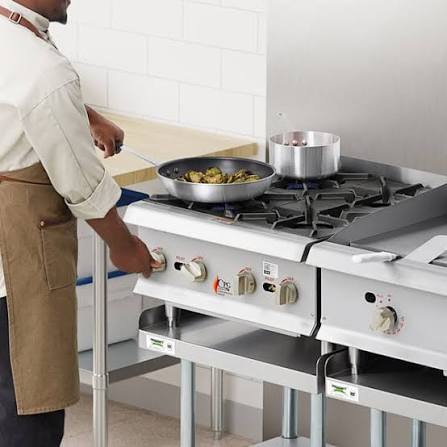
Related product: Pooya Sanat 4-Burner Countertop Gas Stove
Pooya Sanat Yazd Chicken Bone Separator: Product Features
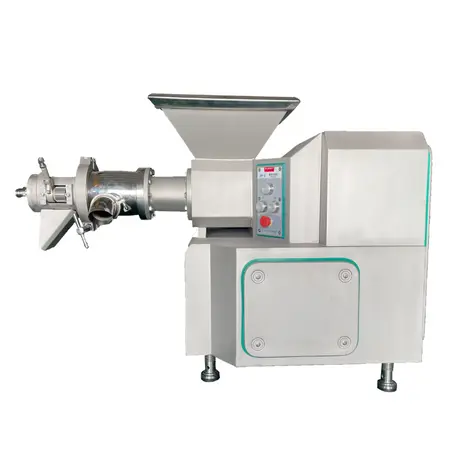
Pooya Sanat Yazd manufactures a specialized machine for separating meat from the bones of chicken thighs and wings/upper wing sections. According to the company’s published product specifications, it uses a pneumatic mechanism and is designed to separate chicken meat without crushing it. This is a more specific application than the broad category of industrial meat deboning equipment described above.
| Feature | Published specification |
|---|---|
| Primary application | Separating meat from chicken thighs and wing sections |
| Operating system | Pneumatic |
| Body/material | Stainless steel |
| Dimensions | 70 × 50 × 50 (unit not stated on the product page; confirm before publishing internationally) |
| Approximate weight | 17 kg |
| Intended environments | Restaurants and commercial kitchens |
How Bone Separation Equipment Can Affect Operating Costs
The economic value of a bone separator depends on the kitchen’s workload. Potential benefits include less labor time per batch, lower meat loss, and more consistent preparation. For operations handling high numbers of chicken portions, these gains may translate into lower preparation costs or greater throughput during busy service hours.
For a reliable purchasing decision, calculate the current labor hours spent on deboning, estimate the amount of usable meat recovered, and compare those results with a trial of the intended machine. Include purchase cost, maintenance, energy or compressed-air consumption, cleaning, and staff training in the calculation.
Restaurant Experience and Real-World Results
The original Persian article refers to positive restaurant experiences and cites an example of preparation time falling by up to 30%. However, it does not identify the restaurant or provide a documented test method. For an English-language audience, that figure should be treated as an unverified illustrative claim, not a guaranteed result. Actual outcomes will vary according to the cut of chicken, operator technique, and daily workload.
What to Consider When Choosing a Bone Separator Machine
- Capacity and intended cuts: Confirm that the equipment can process the specific meat cuts and daily volume your kitchen requires.
- Mechanism and utilities: Check whether the model is pneumatic, electric, or uses another system; confirm all installation and supply requirements.
- Cleaning and food safety: Choose a model with accessible food-contact areas and clear cleaning and sanitation instructions.
- Build quality and serviceability: Review the construction materials, spare-parts availability, maintenance needs, and operator training.
- Warranty and after-sales service: Verify current terms and geographical coverage in writing, especially for international orders.
- Space and workflow: Measure the available work area and allow sufficient clearance for safe operation and cleaning.
Conclusion
A suitable bone separator machine can help commercial kitchens save preparation time, improve workflow consistency, and potentially reduce meat waste. Smaller restaurants can also benefit when they regularly process suitable chicken cuts and have enough work volume to justify the investment.
Pooya Sanat Yazd offers a compact pneumatic chicken bone separator intended for commercial kitchens. Before purchasing, confirm the exact cuts it can handle, operating requirements, performance expectations, and service arrangements to ensure that the machine meets your needs.
Explore the product or request details: PooyaSanat — Official Website