Introduction
In a busy commercial kitchen, every minute matters. Choosing equipment that supports fast service, consistent cooking, efficient operation, and a safe working environment is essential. Few pieces of equipment are as central to everyday food preparation as the gas stove. Without a dependable cooking station, meeting demanding service schedules and handling multiple orders can become a challenge.
Choosing the right stove is therefore more than a routine purchase. It can influence preparation speed, cooking consistency, energy use, operating costs, and the daily experience of kitchen staff. A practical, durable design also helps a kitchen make better use of its available space.
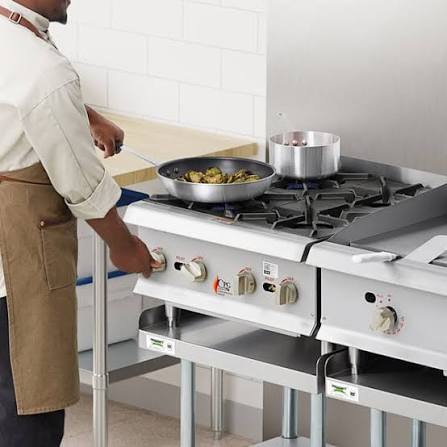
The Pooya Sanat Yazd commercial 4-burner countertop gas stove is designed with these professional needs in mind. Combining a robust construction with flexible cooking capacity and straightforward controls, it is intended to support chefs and kitchen managers across a wide range of foodservice operations. Rather than simply providing four flames, it serves as a dependable part of the kitchen workflow.
Key Features of the Pooya Sanat Yazd 4-Burner Countertop Gas Stove
The stove brings together practical design details intended for demanding environments, from stainless-steel surfaces to durable burners, adjustable supports, and serviceable components. The following features are especially relevant when evaluating it for a professional kitchen.
1. Construction and Body: Strength, Hygiene, and Practical Design
304-grade stainless-steel construction. According to the original product article, the stove is manufactured using 304-grade stainless-steel sheets. This material is valued in foodservice environments for its resistance to corrosion and its easy-to-clean finish. Its professional appearance also makes it suitable for visible cooking areas and organized production kitchens.
Hygienic, easy-to-clean surfaces. The exterior and cooking surfaces are designed to simplify routine cleaning. Grease, spills, and food residues can be removed with suitable mild cleaning products and non-abrasive cloths, helping staff maintain a hygienic work area throughout the day.
Heavy-duty industrial design. A reinforced structure and carefully executed joints are intended to support frequent use in a commercial setting. Durable construction matters most in kitchens where equipment is used for extended periods and must remain stable under daily operating conditions.
Adjustable feet. Height-adjustable supports help operators level the stove on an appropriate installation surface. Correct leveling improves stability and helps pots and pans sit securely during cooking.
2. Burners and Heat Performance: Power with Control
Durable cast-iron or steel burners. The source article describes burners made of cast iron or high-quality steel, selected to withstand repeated exposure to heat and routine commercial use. Their configuration is intended to deliver effective heat to cookware and support consistent cooking results.
With four cooking positions, kitchen staff can prepare several menu components at the same time—for example, simmering a sauce while boiling, sautéing, or preparing a side dish. Actual cooking performance depends on the burner configuration, cookware, gas supply, and operating conditions.
3. Controls and Safety: Convenient Flame Adjustment
Gas valves for flame regulation. The stove is described as having quality gas control valves that allow the operator to adjust flame intensity for different cooking tasks, from gentle heating to high-heat preparation. Gas connections and safety-related components should always be installed, inspected, and serviced by qualified personnel in accordance with local requirements.
Heat-resistant ergonomic knobs. The control knobs are described as being made from Bakelite or a comparable heat-resistant polymer. Their ergonomic shape is intended to make flame adjustments comfortable and convenient during busy service periods. Operators should still treat surrounding surfaces as potentially hot.
4. Fuel Flexibility: Natural Gas and LPG
The original article highlights compatibility with natural gas (NG) and liquefied petroleum gas (LPG), which can be useful for kitchens with different fuel infrastructures. Natural gas is generally supplied through a fixed pipeline, while LPG may be supplied from an approved cylinder system.
This flexibility can be valuable for restaurants, catering facilities, event kitchens, remote locations, and some mobile food operations. However, the exact fuel configuration, required injectors or regulators, and any conversion procedure must be confirmed with Pooya Sanat before installation. The appliance should never be switched between gas types without the correct manufacturer-approved configuration and qualified technical work.
5. Durability and Ease of Maintenance
Resistance to everyday wear and heat. The stove’s body and working components are intended for repeated use in cooking environments where heat, cleaning, and frequent handling are part of normal operations.
Serviceable construction. The source article emphasizes accessible, replaceable components and a design intended to simplify maintenance. When selecting commercial equipment, service access and the availability of compatible spare parts are important considerations because they can reduce avoidable downtime.
Related product: Pooya Sanat 4-Burner Countertop Gas Stove
Where Can a Commercial 4-Burner Countertop Gas Stove Be Used?
The combination of multiple burners, countertop installation, and a heavy-duty design makes this type of stove relevant to several professional food preparation settings.
Restaurants and fast-food kitchens. Four separate cooking positions allow teams to work on sauces, soups, main courses, and side dishes simultaneously. This can be especially useful when service speed and menu variety are both important.
Catering companies and central kitchens. Caterers preparing meals for organizations, workplaces, hospitals, or events can use multiple burners to coordinate different dishes and streamline batch preparation.
Hotels and banquet venues. Hotel kitchens and banquet facilities often handle varied menus and fluctuating demand. A dedicated four-burner station can add flexibility to their cooking setup.
Semi-commercial and advanced home kitchens. Some larger kitchens and small food businesses require more cooking capacity than standard household appliances provide. Suitability for any residential or mixed-use location depends on applicable installation, ventilation, and safety requirements.
Food trucks and mobile kitchens. Where an approved LPG configuration is available, this stove may be considered for certain mobile applications. Installers must verify securing arrangements, ventilation, cylinder storage, and all applicable mobile-kitchen regulations before use.
Why Consider the Pooya Sanat Yazd Model?
When comparing a 4-burner countertop stove with other commercial gas stoves, the original article emphasizes five advantages. Each should be considered alongside the technical specifications and service terms available for the model being purchased.
Construction quality and longevity. Its stainless-steel body, industrial structure, and emphasis on durable components are intended to support dependable daily operation.
Practical heating performance. The burner design is intended to support responsive heat adjustment and effective heat distribution for a variety of cooking tasks.
Competitive overall value. A commercial stove should be evaluated not only by its initial price but also by expected service life, energy requirements, maintenance needs, and potential downtime. Pooya Sanat positions this model as a cost-conscious option for professional kitchens.
After-sales support. The source article describes access to technical assistance, spare parts, repair services, and warranty support. Buyers should confirm current warranty duration, geographical coverage, spare-parts availability, and service conditions directly with the company before ordering.
Ease of daily operation. Straightforward controls, adjustable supports, and cleanable surfaces help make the stove practical for busy teams and routine kitchen workflows.
Care, Cleaning, and Safe Operation
Routine care helps protect the equipment, preserve hygiene, and reduce unplanned interruptions. The guidance below adapts the maintenance recommendations in the original article for an international professional audience.
1. Clean Surfaces and Burners Regularly
Allow the equipment to cool. Turn the burners off and let the stove cool sufficiently before cleaning. Avoid handling hot metal surfaces or removing burner parts while hot.
Use appropriate products and tools. Clean stainless steel with mild, non-corrosive detergent and a soft cloth or non-abrasive sponge. Avoid steel wool, aggressive chemicals, and chlorine-based products that may damage surfaces or finishes.
Follow a consistent process. Remove loose food debris, wipe surfaces with a suitable cleaning solution, and dry with a clean cloth to reduce water marks. If the burner components are designed to be removable, follow the manufacturer’s instructions for removal, washing, drying, and correct reassembly. Ensure all components are fully dry and correctly seated before relighting.
2. Arrange Periodic Servicing by Qualified Technicians
The source article recommends regular servicing, generally once a year or sooner in high-use environments. The appropriate interval should reflect the manufacturer’s instructions, local rules, and kitchen operating conditions.
A qualified technician may inspect supply hoses, regulators, valves, and gas connections; check flame characteristics; examine any fitted flame-failure devices or thermocouples; and assess the condition of the stove’s components. Preventive servicing helps identify wear before it turns into an operational or safety issue.
3. Avoid Exceeding the Intended Load Capacity
Although the stove is designed for commercial use, its pan supports and structure have practical load limits. Do not place excessively heavy cookware or objects on the stove. Ask the manufacturer to confirm maximum supported loads and suitable cookware dimensions for the exact model.
4. Check Gas Connections, Especially for LPG Installations
Gas hoses, regulators, valves, and cylinder connections require regular checks under the site’s safety procedures. The original article suggests frequent inspection in LPG installations; the appropriate frequency should be determined by qualified personnel and local regulations.
If a gas leak is suspected, stop using the stove. If it is safe to do so, shut off the gas supply, avoid flames and electrical switches, leave the affected area, and contact the local gas emergency service or a qualified technician. Leak testing and repair should be carried out using approved methods by competent personnel. Never use a flame to check for leaks.
5. Choose Suitable Pots and Pans
Flat, stable bases. Appropriate flat-bottomed cookware promotes good contact and stable placement on the pan supports. Warped or unstable vessels can reduce cooking efficiency and create handling hazards.
Correct size. Match pan size to burner size where possible. Small pans over very large flames can waste heat and overheat handles, while oversized pans may distribute heat inefficiently or interfere with surrounding equipment. Follow the manufacturer’s cookware and clearance recommendations.
About Pooya Sanat Yazd
Founded in 2004 (1383 in the Iranian calendar), Pooya Sanat Yazd is an Iranian manufacturer of commercial kitchen equipment. The company’s product range serves restaurants, catering operations, hotels, banquet facilities, and other professional foodservice environments.
Its portfolio includes commercial cooking ranges, food-warming equipment, industrial ovens, tilting pans, large-capacity cooking vessels, preparation and service counters, and other stainless-steel kitchen equipment. The company presents product quality, technical development, practical design, and customer support as important parts of its approach.
By supplying equipment for different stages of food preparation and service, Pooya Sanat aims to help professional kitchens build practical cooking and production workflows. Buyers seeking information about product availability, technical specifications, or support can contact the company directly.
Pre-purchase Checklist
| Buying check | Confirm before ordering |
|---|---|
| Fuel configuration | Approved NG or LPG setup and installation requirements |
| Cookware and load | Suitable cookware dimensions and maximum supported loads |
| Support | Current warranty terms, spare parts and service coverage |
- Confirm the precise model specifications.
- Arrange qualified installation.
- Follow the manufacturer’s maintenance instructions.
Conclusion: A Practical Investment in Your Kitchen
The Pooya Sanat Yazd commercial 4-burner countertop gas stove is designed for kitchens that need multiple cooking positions, sturdy construction, accessible controls, and straightforward upkeep. Its reported 304-grade stainless-steel body, durable burner design, and potential suitability for NG or LPG configurations are key points to evaluate when choosing equipment for a commercial setting.
Before purchasing, confirm the precise model specifications, available fuel setup, installation requirements, warranty terms, and local certification needs. With the right configuration, professional installation, and regular maintenance, a four-burner countertop stove can become a useful, long-term part of an efficient foodservice kitchen.
Explore the product or request details: PooyaSanat — Official Website